Introduction
When it pertains to culinary delights, couple of components can elevate a meal rather like cream. Whether you're dolloping it on a decadent dessert or mixing it into your morning coffee, cream adds richness and texture that makes whatever better. But what takes place when we begin checking out the varied world of creams, specifically under the impact of innovation like nitrous oxide? In this short article, we'll dive deep into the fascinating world of whipped cream and non-dairy alternatives, concentrating on their distinct characteristics and how they communicate with whipped cream chargers. Are you all set for a velvety adventure?
Whipped vs. Non-Dairy: Exploring Different Types of Cream with Charged Nitrous Oxide
What is Whipped Cream?
Whipped cream is the light, fluffy delight that beautifies our desserts, coffees, and sometimes even savory meals. It's developed by incorporating air into whipping cream utilizing mechanical means-- frequently through whipping or using specialized tools like whipped cream chargers.
The Science Behind Whipping Cream
When you whip cream, you're basically introducing air bubbles into the liquid fat. The proteins present in the cream support these bubbles, creating a light and airy texture that all of us enjoy. This process becomes even more effective when utilizing nitrous oxide (N2O) from whipped cream chargers.
Exploring Non-Dairy Cream Alternatives
In current years, non-dairy creams have emerged as popular substitutes for standard whipped cream. Made from plant-based sources such as coconut, almond, or soy milk, these alternatives deal with vegans and those who are lactose intolerant.
Types of Non-Dairy Creams Available
Coconut Cream: Rich and velvety with a small coconut flavor. Almond Cream: A lighter option with a subtle nutty taste. Soy Cream: Frequently fortified with protein; tends to imitate dairy closely. Oat Cream: Getting popularity for its velvety texture without a strong flavor.How Do Whipped Cream Chargers Work?
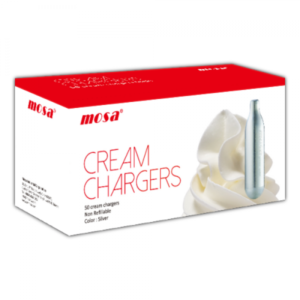
Whipped cream chargers are small cylinders filled with nitrous oxide gas that can produce whipped cream rapidly and efficiently when integrated with heavy whipping cream or non-dairy alternatives.
The System Behind Charged Nitrous Oxide
- Pressurization: When you insert the battery charger into a whipped cream dispenser and pressurize the system, N2O is released. Infusion: The gas dissolves into the liquid fat in the cream or non-dairy alternative. Whipping Action: Upon launching pressure by lowering on the dispenser trigger, air is displaced in addition to the infused N2O creating that wonderful foam we crave.
Taste Test: Whipped vs. Non-Dairy
So how do these 2 categories compare to each other in regards to flavor? Let's break it down!
Flavor Profiles
- Whipped Cream: Richer due to higher fat content; provides a glamorous mouthfeel. Non-Dairy Alternatives: Varies commonly; some may have strong tastes (like coconut), while others are milder (like oat).
Texture Comparison: Lightness vs. Density
When it pertains to texture:
- Whipped Cream has an airy fluffiness that lots of discover irresistible. Non-Dairy Options may not attain quite the same lightness however can still be creamy.
Health Considerations: Nutritional Profiles of Both Options
1. Calorie Content
Whipped creams typically consist of higher calories due to their fat material compared to non-dairy options which might be lower-calorie but might also contain included sugars.
|Type|Calories per 100g|| --------------------|-------------------|| Heavy Light Whipping Cream|345|| Coconut Cream|330|| Almond Milk Cream|150|| Soy https://canvas.instructure.com/eportfolios/3428407/mylesvmgw845/comparing-nang-vs-standard-baking-products-in-melbourne Milk Cream|120|
2. Nutritional Benefits
While whipped cream supplies calcium and vitamins A & & D, non-dairy creams may provide fiber (in oat) or anti-oxidants (in almond).

Culinary Utilizes: Where Each Shines Best
Different types of creams have their own finest uses in cooking:
- Whipped Cream: Perfect for topping pies or cakes. Non-Dairy Options: Outstanding in coffee beverages or as vegan cake toppings.
Environmental Impact: Dairy vs Plant-Based Products
Another essential aspect of this discussion includes sustainability:
- Dairy production has substantial environmental effects consisting of high water usage. Plant-based alternatives generally have a lower carbon footprint.
FAQs
Q1: Can I utilize whipped cream chargers with non-dairy creams?
Yes! Numerous non-dairy creams work well with whip cream chargers as long as they have enough fat content for stabilization.
Q2: For how long does whipped cream last when made with N2O?
Q3: Exist any health risks connected with nitrous oxide?
While typically safe when utilized as planned in cooking, misuse can result in adverse effects like headaches or dizziness.
Q4: Can I make my own non-dairy whipping cream at home?
Definitely! You can whip coconut milk by cooling it first and then whipping until fluffy-- simply remember it will not hold up as long as dairy versions.
Q5: How do I select between whipped and non-dairy options?
Your choice may depend upon dietary restrictions, flavor preferences, or specific recipe requirements!
Q6: What need to I consider when acquiring whip cream chargers?
Try to find credible brand names known for quality-- this makes sure better performance and security throughout use.
Conclusion
In conclusion, whether you lean towards traditional whipped creams breaking with dairy goodness or opt for trendy non-dairy options loaded with plant-based advantages, both choices use unique tastes and textures that enhance your cooking experience. The introduction of nitrous oxide through whipped cream chargers reinvents how we prepare these delightful toppings-- making them more accessible than ever!
So next time you're prepared to indulge your sweet tooth or add style to your preferred beverage, take a minute to consider which type of cream fits your requirements best. Who knows-- you might simply discover your new preferred treat along the way!